

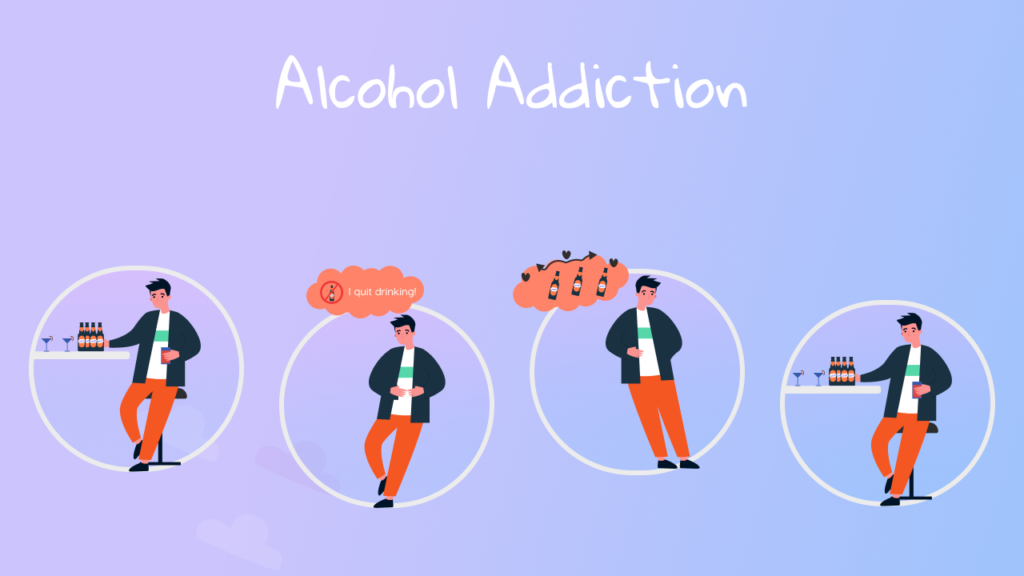
Alcohol addiction, also known as alcoholism or alcohol use disorder (AUD), is a chronic and
progressive condition characterized by an inability to control alcohol consumption despite its negative
consequences on various aspects of life, including health, relationships, and work or school
performance. Understanding alcohol addiction involves delving into its causes, symptoms, effects,
and treatment options

Causes of Alcohol Addiction:
1. Biological Factors:
○ Genetic predisposition: Family history of alcoholism increases the risk.
○ Brain chemistry: Alcohol affects neurotransmitters, leading to dependence.
2. Psychological Factors:
○ Stress, trauma, or mental health disorders (e.g., depression, anxiety).
○ Coping mechanisms: Using alcohol to self-medicate or alleviate emotional pain.
3. Social and Environmental Factors:
○ Peer influence: Social norms or pressure to drink.
○ Availability: Easy access to alcohol.
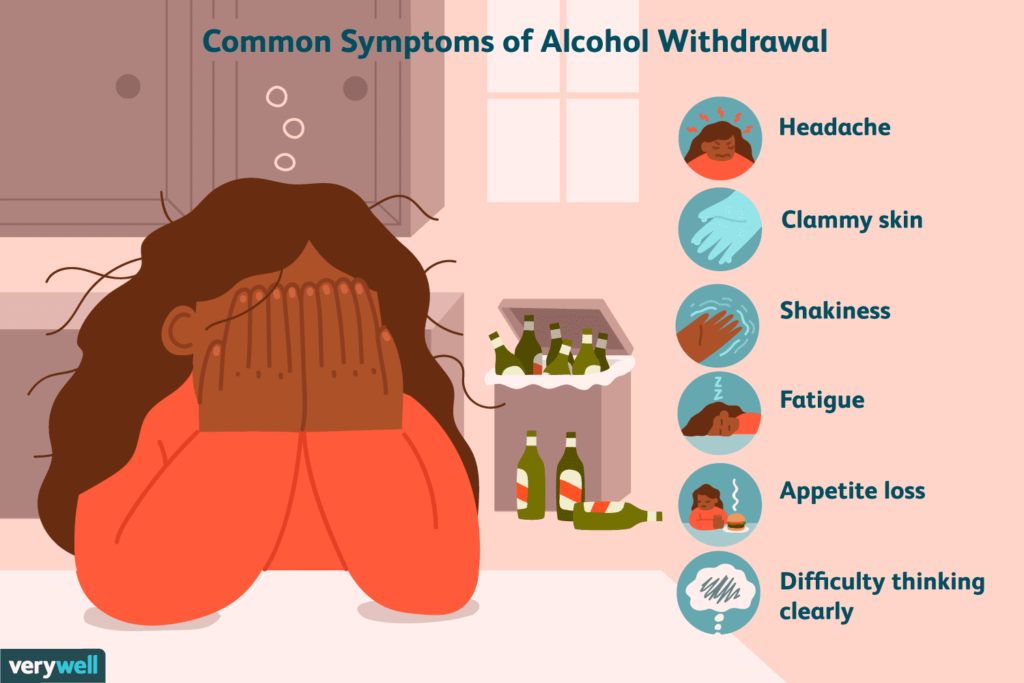
Symptoms of Alcohol Addiction:
1. Physical Symptoms:
○ Tolerance: Needing more alcohol to achieve the same effect.
○ Withdrawal symptoms: Shaking, sweating, nausea, anxiety when not drinking.
○ Blackouts: Memory lapses or loss due to excessive drinking
2. Behavioural Symptoms:
○ Continued drinking despite negative consequences.
○ Neglecting responsibilities or hobbies in favour of drinking.
○ Failed attempts to cut down or control drinking.
3. Psychological Symptoms:
○ Cravings: Intense urge or desire to drink.
○ Mood swings: Irritability, depression, or euphoria related to alcohol
Effects of Alcohol Addiction:
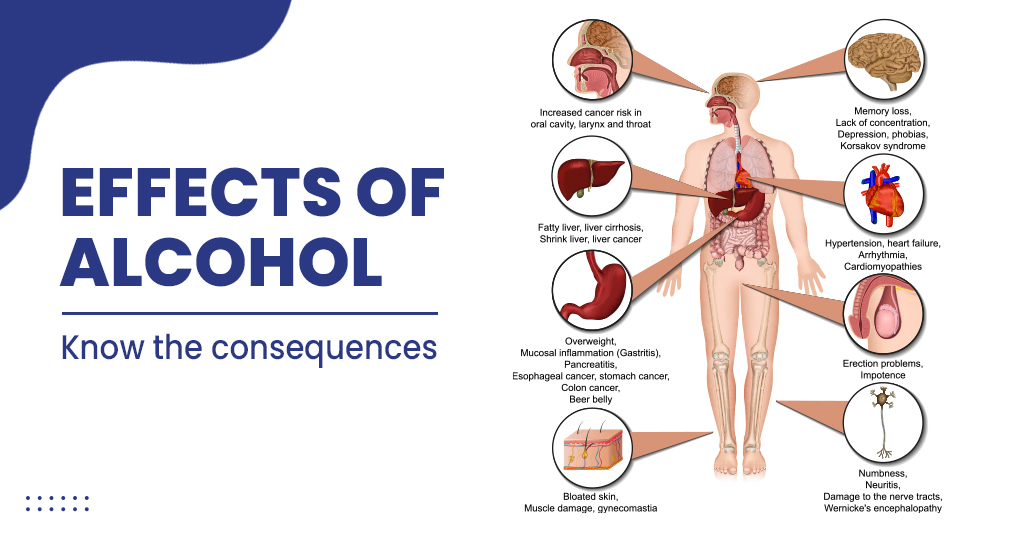
1. Health Effects:
○ Liver disease (e.g., cirrhosis, fatty liver).
○ Cardiovascular problems (e.g., hypertension, heart disease).
○ Neurological disorders (e.g., cognitive impairment, nerve damage).
2. Social and Interpersonal Effects:
○ Strained relationships with family, friends, or coworkers.
○ Legal issues (e.g., DUI, public intoxication).
○ Social isolation or withdrawal from social activities.
3. Psychological Effects:
○ Increased risk of mental health disorders (e.g., depression, anxiety).
○ Impaired judgement and decision-making.
○ Decreased self-esteem and self-worth.
Treatment of Alcohol Addiction:
1. Detoxification: Managed withdrawal from alcohol under medical supervision to minimize
withdrawal symptoms.
2. Rehabilitation: Inpatient or outpatient programs that include therapy (individual and group),counseling, and education on coping strategies and relapse prevention.
3. Medication: Prescription medications like disulfiram, naltrexone, or acamprosate to reduce
cravings and support recovery.
4. Support Groups: Participation in group
Recovery and Management:
● Lifestyle Changes: Adopting a healthy lifestyle including regular exercise, balanced nutrition,
and stress management techniques.
● Continued Support: Long-term recovery often requires ongoing support, therapy, and
monitoring to prevent relapse.
● Family Involvement: Family therapy can help repair relationships and provide a supportive
environment.